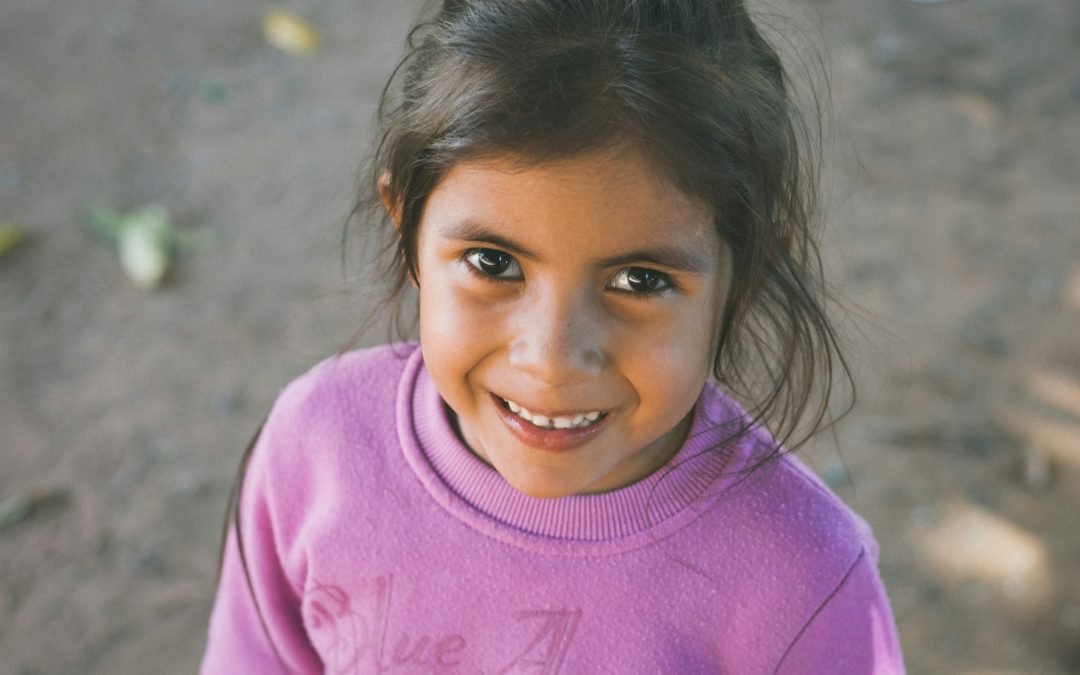
Every child deserves a chance to grow, learn, and thrive, yet many children in Chile face significant challenges due to poverty, lack of education, or limited access to healthcare. Helping underprivileged children in Chile is essential to breaking the cycle of poverty and creating a brighter future for the next generation. Through local and international initiatives, organizations are making a tangible difference in the lives of these children.
According to UNICEF, approximately 20% of children in Chile experience some form of social or economic vulnerability. This statistic highlights the urgent need for programs and support systems that focus on education, health, and overall well-being.
Education as a Pathway Out of Poverty
One of the most effective ways of helping underprivileged children in Chile is through education. Access to quality schooling equips children with skills for the future, improves literacy rates, and increases opportunities for employment.
Programs often include:
- Scholarships and school supplies: Providing uniforms, books, and learning materials to children who cannot afford them.
- After-school programs and tutoring: Helping students keep up academically and stay motivated.
- Early childhood education: Preparing younger children for primary school success, especially in disadvantaged areas.
By prioritizing education, organizations ensure that children have the tools they need to break free from the cycle of poverty.
Health and Nutrition Programs
Another key aspect of helping underprivileged children in Chile is addressing health and nutrition. Malnutrition and lack of access to medical care can hinder a child’s development and educational performance.
Important initiatives include:
- School meal programs: Providing nutritious breakfasts and lunches to keep children healthy and focused.
- Vaccination drives and medical check-ups: Ensuring children receive essential healthcare to prevent illness.
- Mental health support: Counseling and therapy programs for children dealing with trauma, stress, or family challenges.
By supporting children’s health, these programs create a foundation for long-term growth and development.
Community and Family Support
Helping children effectively also requires working with their families and communities. Many programs in Chile focus on empowering parents and caregivers with knowledge and resources to provide a stable environment.
Key strategies include:
- Parent workshops: Educating families on nutrition, hygiene, and child development.
- Community centers: Safe spaces where children can learn, play, and socialize.
- Economic support programs: Assisting families with small loans, job training, or microbusiness development to improve household income.
Strong community involvement ensures that children receive consistent support at home and in their neighborhoods.
How Individuals Can Contribute
If you want to help underprivileged children in Chile, there are several ways to make a difference:
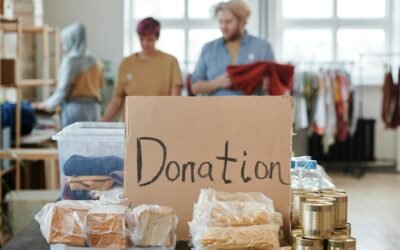
- Donations: Monetary contributions to reputable charities fund education, meals, and healthcare programs.
- Volunteering: Offer your time for tutoring, mentoring, or assisting in community programs.
- Sponsorship Programs: Many organizations allow individuals to sponsor a child’s education or health needs.
- Raising Awareness: Share information about the challenges children face and encourage others to get involved.
Even small efforts can have a profound impact, providing opportunities that these children would otherwise miss.
Success Stories and Real Impact
Several organizations have demonstrated measurable success in helping underprivileged children in Chile. For example:
- Local nonprofits have increased school attendance rates by providing supplies and tutoring.
- Health initiatives in rural areas have reduced malnutrition and improved vaccination coverage.
- Community programs have empowered families to achieve sustainable income, improving children’s living conditions.
These success stories show that with the right support, children can overcome obstacles and achieve their full potential.
Final Takeaway
Helping underprivileged children in Chile is more than charity—it is an investment in the country’s future. By supporting education, healthcare, and community programs, individuals and organizations can create lasting change. Every contribution, whether it is time, money, or skills, helps build a brighter, healthier, and more equitable future for these children.
The challenges are significant, but with continued effort and collaboration, we can ensure that more children in Chile have the opportunities they deserve to thrive.