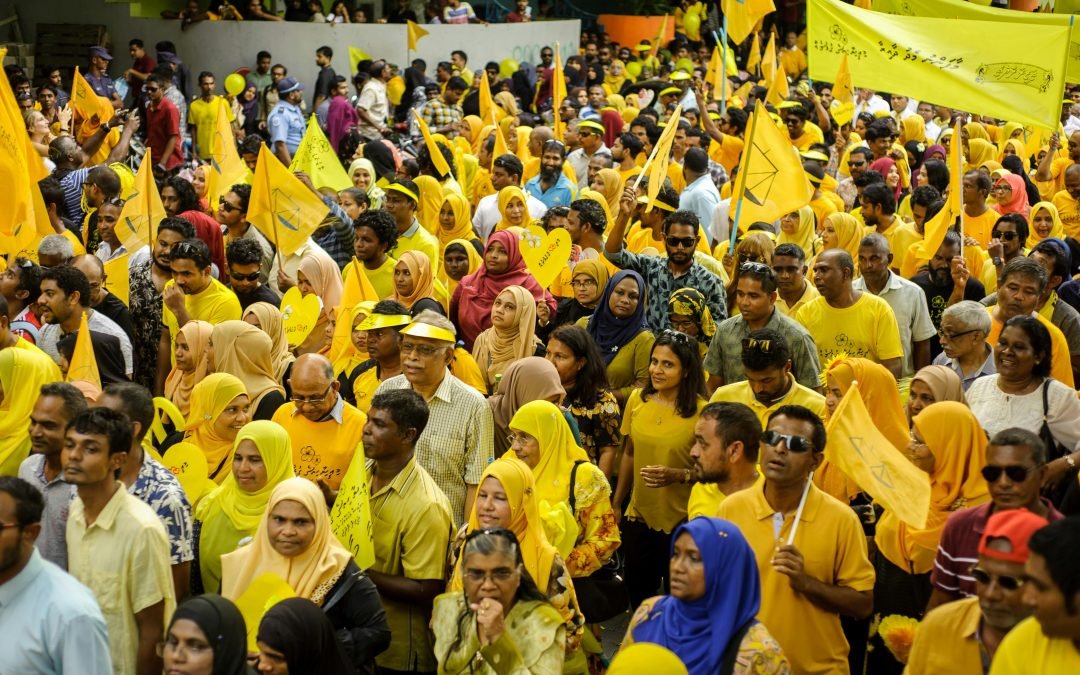
Communities thrive when people feel seen, respected, and supported. That is where cultural support initiatives play a powerful role. These initiatives help preserve traditions, support diverse identities, and create spaces where people from different backgrounds can connect and grow together. Whether led by local organizations, schools, workplaces, or governments, cultural support initiatives help build stronger, more inclusive societies. In this article, we will explore what these initiatives are, why they matter, and how they make a real difference in everyday life.
What Are Cultural Support Initiatives
Cultural support initiatives are programs, policies, or activities designed to recognize, protect, and promote cultural diversity. They focus on supporting language, traditions, arts, values, and community practices that might otherwise be overlooked or marginalized.
These initiatives can take many forms, including:
- Community cultural centers
- Language preservation programs
- Arts and heritage funding
- Multicultural education and training
- Inclusion programs in workplaces and schools
At their core, these efforts aim to ensure everyone feels a sense of belonging.
Why Cultural Support Initiatives Matter Today
In an increasingly globalized world, cultural diversity is growing rapidly. According to UNESCO, cultural and creative industries contribute more than 3 percent to the global GDP and employ over 30 million people worldwide. This highlights how culture is not only socially valuable but also economically important.
Cultural support initiatives matter because they:
- Promote mutual respect and understanding
- Reduce social exclusion and discrimination
- Strengthen community identity
- Encourage dialogue across generations
When cultures are supported, communities become more resilient and connected.
Cultural Support in Local Communities
At the local level, cultural support initiatives often have the most visible impact. Community-driven programs help preserve traditions while adapting them to modern life. Examples include:
- Festivals celebrating cultural heritage
- Workshops teaching traditional crafts or music
- Community storytelling and oral history projects
- Support groups for immigrant and minority communities
These initiatives create safe spaces where people can share experiences and feel proud of their cultural roots.
Education and Cultural Awareness
Schools and educational institutions play a major role in promoting cultural understanding. Cultural support initiatives in education help students learn about different traditions, histories, and perspectives.
Common approaches include:
- Multicultural curricula
- Language support programs for bilingual students
- Cultural exchange activities
- Teacher training on inclusive practices
Research by the Organisation for Economic Co-operation and Development shows that inclusive education environments improve student engagement and social outcomes. When students understand and respect diversity early on, it shapes more empathetic adults.
Cultural Support Initiatives in the Workplace
Workplaces are becoming more diverse, and cultural support initiatives help organizations create inclusive environments. These initiatives support employees from different backgrounds while improving collaboration and innovation.
Examples include:
- Diversity and inclusion training
- Cultural awareness workshops
- Employee resource groups
- Flexible policies that respect cultural and religious practices
Studies by McKinsey have shown that diverse organizations are more likely to outperform their peers financially. Supporting culture at work is not just ethical, it is practical.
The Role of Arts and Creative Expression
Arts and culture are powerful tools for connection. Many cultural support initiatives focus on funding and promoting creative expression such as music, theater, dance, and visual arts.
These programs:
- Preserve cultural heritage
- Provide platforms for underrepresented voices
- Encourage creative collaboration
- Strengthen cultural identity
Public art projects, community exhibitions, and cultural grants all contribute to a richer cultural landscape that benefits everyone.
Government and Policy Support
Government involvement often determines the long-term success of cultural support initiatives. Policies and funding can protect cultural heritage and ensure equal access to cultural resources.
Government-supported initiatives may include:
- Grants for cultural organizations
- Protection of historical sites
- Language preservation policies
- Support for indigenous and minority cultures
When policy aligns with community needs, cultural initiatives can have lasting positive impact.
Challenges Facing Cultural Support Initiatives
Despite their value, cultural support initiatives face challenges. Limited funding, lack of awareness, and social resistance can slow progress. Some initiatives struggle with:
- Insufficient long-term financial support
- Lack of community engagement
- Cultural misrepresentation or tokenism
- Balancing tradition with modern change
Addressing these challenges requires collaboration, transparency, and continuous dialogue with the communities being served.
How Individuals Can Support Cultural Initiatives
You do not need to run an organization to support cultural initiatives. Individuals can contribute in meaningful ways:
- Attend cultural events and programs
- Support local artists and cultural groups
- Volunteer with community organizations
- Learn about and respect different cultures
- Advocate for inclusive policies
Small actions add up and help create environments where culture is valued and protected.
Conclusion: Building Inclusive Futures Through Culture
Cultural support initiatives are essential for building inclusive, respectful, and connected communities. They help preserve heritage, support identity, and create opportunities for understanding across differences. From education and workplaces to arts and policy, these initiatives touch every part of society.
By supporting cultural initiatives, we invest in stronger communities and a more compassionate future. When culture is valued, people feel empowered, connected, and proud of who they are. That is the true power of cultural support initiatives.