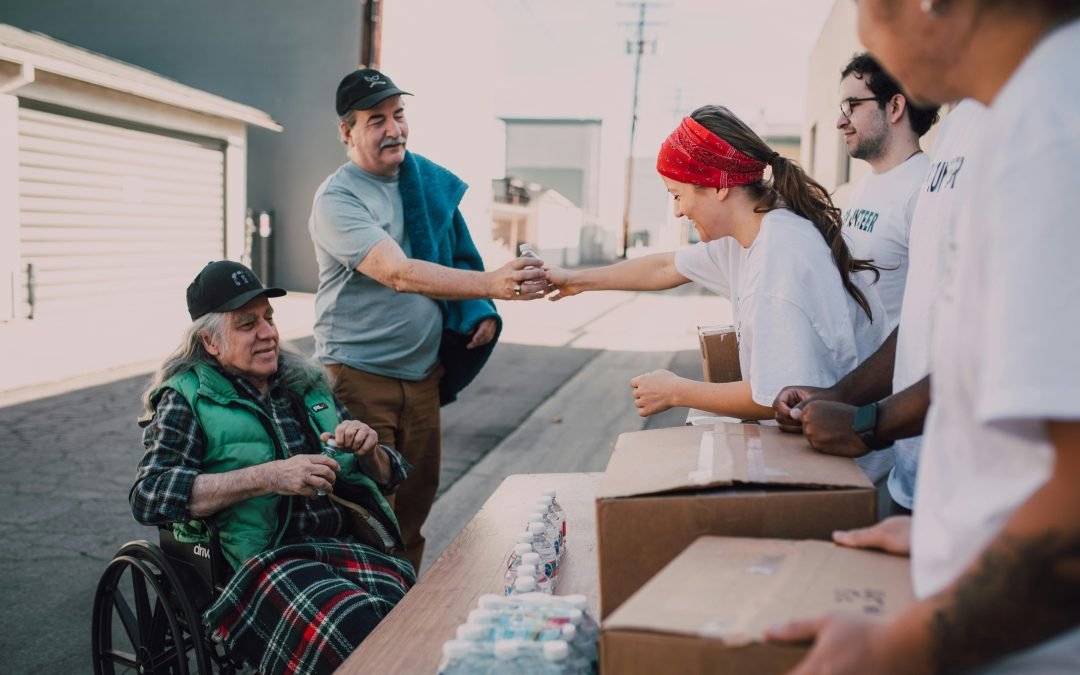
Charitable organizations play a vital role in shaping stronger, healthier, and more resilient communities. From providing essential resources to supporting local initiatives, these organizations create positive change that extends far beyond immediate assistance. Understanding how charitable organizations create community impact reveals the strategies and dedication that turn resources and volunteer efforts into meaningful outcomes.
Addressing local needs effectively
Charitable organizations focus on identifying and addressing the specific needs of the communities they serve. By listening to residents, analyzing data, and collaborating with local stakeholders, they ensure their programs have tangible results.
Effective strategies include:
- Conducting community surveys to understand pressing concerns
- Partnering with local schools, shelters, and clinics to expand reach
- Implementing programs tailored to specific populations such as children, seniors, or underserved families
- Monitoring outcomes to adjust and improve services
Focusing on local needs ensures that charitable efforts produce real, lasting benefits.
Mobilizing volunteers and resources
Volunteers are the backbone of most charitable organizations. Their time, energy, and expertise amplify the impact of donations and programs. In 2023, the Bureau of Labor Statistics reported that over 60 million Americans volunteered for nonprofit organizations, contributing more than 7.9 billion hours of service.
Volunteer engagement strategies include:
- Organizing community events, food drives, and service projects
- Offering training to ensure volunteers are effective and safe
- Encouraging ongoing participation for long-term program support
- Connecting volunteers with initiatives that match their skills and passions
Mobilizing volunteers allows organizations to maximize resources and expand their reach.
Providing essential services and support
Many charitable organizations provide direct services that address urgent community needs. These services often form the foundation of their community impact.
Examples of essential services include:
- Food banks and meal programs to reduce hunger
- Affordable housing initiatives and shelter programs
- Educational support through tutoring, scholarships, and literacy programs
- Health services, including clinics, mental health resources, and wellness programs
By meeting immediate needs, organizations create stability that allows individuals and families to thrive.
Advocating for systemic change
Beyond direct services, charitable organizations often work to address the root causes of social challenges. Advocacy efforts influence policies, raise awareness, and drive long-term improvements in the community.
Advocacy approaches include:
- Campaigning for improved access to education, healthcare, and social services
- Partnering with government agencies and community leaders to implement policy changes
- Hosting workshops, seminars, and public forums to educate the community
- Leveraging research and data to support evidence-based initiatives
Combining advocacy with direct action magnifies the organization’s community impact.
Supporting local economic development
Charitable organizations contribute to community growth by fostering local economic opportunities. Initiatives that build skills, create jobs, and support small businesses help communities thrive financially.
Economic support programs include:
- Job training and mentorship programs for youth and adults
- Microloans or grants to support small business development
- Workshops on financial literacy and entrepreneurship
- Partnering with local businesses to provide employment opportunities
Investing in economic development strengthens the community and promotes long-term stability.
Fostering social connections and inclusion
Communities flourish when individuals feel connected and supported. Charitable organizations encourage social cohesion by creating opportunities for engagement, collaboration, and mutual support.
Inclusion strategies include:
- Hosting cultural events, neighborhood cleanups, and community fairs
- Encouraging volunteer networks that bring together diverse groups
- Offering programs for marginalized or vulnerable populations
- Creating safe spaces for discussion, support, and recreation
Fostering connection builds trust and resilience within the community.
Measuring impact and effectiveness
To ensure meaningful outcomes, charitable organizations track the effectiveness of their programs. Monitoring progress allows them to refine strategies and demonstrate accountability to donors and stakeholders.
Impact measurement includes:
- Collecting data on program participation and outcomes
- Using surveys and feedback to assess satisfaction and effectiveness
- Reporting results to funders and the public to build trust
- Adjusting programs based on findings to enhance impact
Measuring impact ensures that charitable efforts translate into tangible community benefits.
Encouraging collaboration and partnerships
Community impact grows when organizations collaborate with other nonprofits, businesses, and government entities. Partnerships create synergies that expand resources and reach.
Collaboration approaches include:
- Co-hosting events and service projects
- Sharing expertise, staff, or facilities for mutual benefit
- Aligning programs with other initiatives to prevent duplication
- Leveraging networks to mobilize support quickly
Working together strengthens the collective impact on the community.
Inspiring ongoing engagement
Charitable organizations create lasting change by inspiring community members to participate in meaningful ways. Engaged residents become advocates, volunteers, and donors who help sustain and expand initiatives.
Engagement strategies include:
- Highlighting success stories and tangible outcomes
- Providing clear ways for individuals to get involved
- Offering educational programs to raise awareness about social issues
- Celebrating contributions of volunteers and community members
Active engagement ensures that community impact continues beyond initial programs.
Conclusion
Charitable organizations create community impact by addressing local needs, mobilizing resources, providing essential services, advocating for change, and fostering social and economic growth. Through careful planning, collaboration, and measurement, these organizations turn vision into action, improving the lives of individuals and strengthening entire communities. Understanding how charitable organizations create community impact highlights the importance of thoughtful, strategic, and inclusive approaches to meaningful change.