Introduction: Community support that goes beyond borders
In many neighborhoods across the United States, Chilean-American communities are quietly making a meaningful difference through volunteer work, cultural events, and family support programs. While these efforts may not always make national headlines, their impact is deeply felt by the families who receive help during difficult times.
From food drives and fundraising events to educational support and emergency assistance, the spirit of community remains strong. This is exactly why people are increasingly interested in learning how Chilean-American communities volunteer together to support families in need and how these efforts strengthen both cultural identity and local neighborhoods.
According to the Corporation for National and Community Service, volunteering strengthens social connection and improves community resilience, especially in immigrant and multicultural communities where support networks are essential.
The strong cultural value of helping others
One reason volunteerism remains important in Chilean-American communities is cultural tradition. Family support, hospitality, and collective responsibility are deeply rooted values in Chilean culture.
Many Chilean-American families grow up believing that helping neighbors and supporting struggling relatives is simply part of everyday life. This mindset naturally extends into community volunteering.
That is why how Chilean-American communities volunteer together to support families in need is often connected to cultural gatherings, churches, schools, and local organizations that bring people together around shared goals.
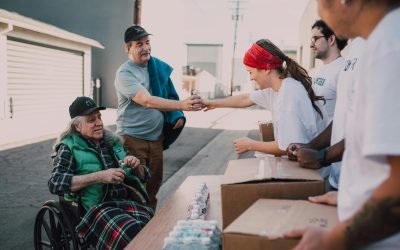
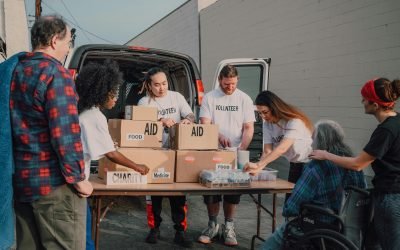
Food drives and meal support programs
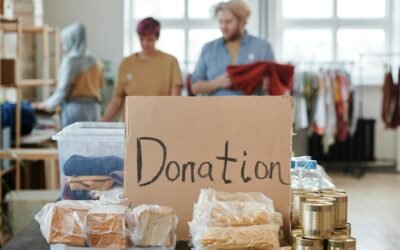
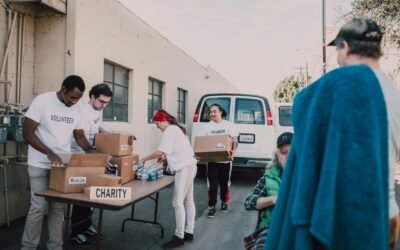
Food insecurity affects many families across the United States, and Chilean-American volunteers frequently organize efforts to help address this challenge.
Common community initiatives include:
- Holiday meal donations
- Local food pantry support
- Community cooking events
- Grocery collection drives for struggling families
In some cities, cultural festivals are even used as fundraising opportunities where food sales help support charitable causes.
These activities are a major example of how Chilean-American communities volunteer together to support families in need while also celebrating cultural traditions through food and shared experiences.
Supporting immigrant families during difficult transitions
Many immigrant families face challenges such as language barriers, housing instability, or difficulty accessing resources when arriving in a new country.
Chilean-American volunteers often help by:
- Translating important documents
- Assisting with school enrollment
- Helping families find housing resources
- Providing mentorship and emotional support
These personal connections can make a huge difference for families adjusting to unfamiliar systems and environments.
Community events that raise awareness and funding
Volunteer support often grows through cultural and community events. Chilean-American organizations frequently host festivals, music nights, soccer tournaments, and charity gatherings that both celebrate heritage and raise funds for local causes.
Popular fundraising activities include:
- Traditional food fairs
- Dance and music performances
- Charity raffles and auctions
- Community sports events
These events create opportunities for people to contribute while also strengthening cultural identity. They are another important part of how Chilean-American communities volunteer together to support families in need.
Youth involvement and mentoring programs
Many Chilean-American communities place strong emphasis on involving younger generations in volunteer work. Teaching children and teenagers the value of community support helps preserve cultural values while encouraging civic responsibility.
Youth volunteer efforts often include:
- Tutoring younger students
- Participating in neighborhood cleanups
- Organizing donation drives
- Helping elderly community members
Research from the Harvard Graduate School of Education suggests that young people involved in volunteering often develop stronger empathy and long term civic engagement.
This generational involvement keeps how Chilean-American communities volunteer together to support families in need active and sustainable over time.
Faith based organizations and local churches
Churches and faith based groups often play a central role in volunteer efforts within Chilean-American communities.
These organizations frequently provide:
- Emergency financial assistance
- Counseling and emotional support
- Shelter resources
- Meal distribution programs
Beyond practical help, these spaces also create emotional connection and trust among community members during difficult situations.
Emotional support during family crises
Not all support comes in the form of money or donations. Emotional support is equally important, especially during illness, unemployment, or family emergencies.
Community members often:
- Organize meal trains for struggling families
- Help with childcare during emergencies
- Visit elderly or isolated individuals
- Offer transportation for medical appointments
This personal level of care is a powerful example of how Chilean-American communities volunteer together to support families in need in ways that go far beyond financial assistance.
Collaboration with broader local communities
Another important aspect of these volunteer efforts is collaboration. Chilean-American groups often work alongside schools, nonprofits, and other multicultural organizations to expand their impact.
Collaborative efforts may include:
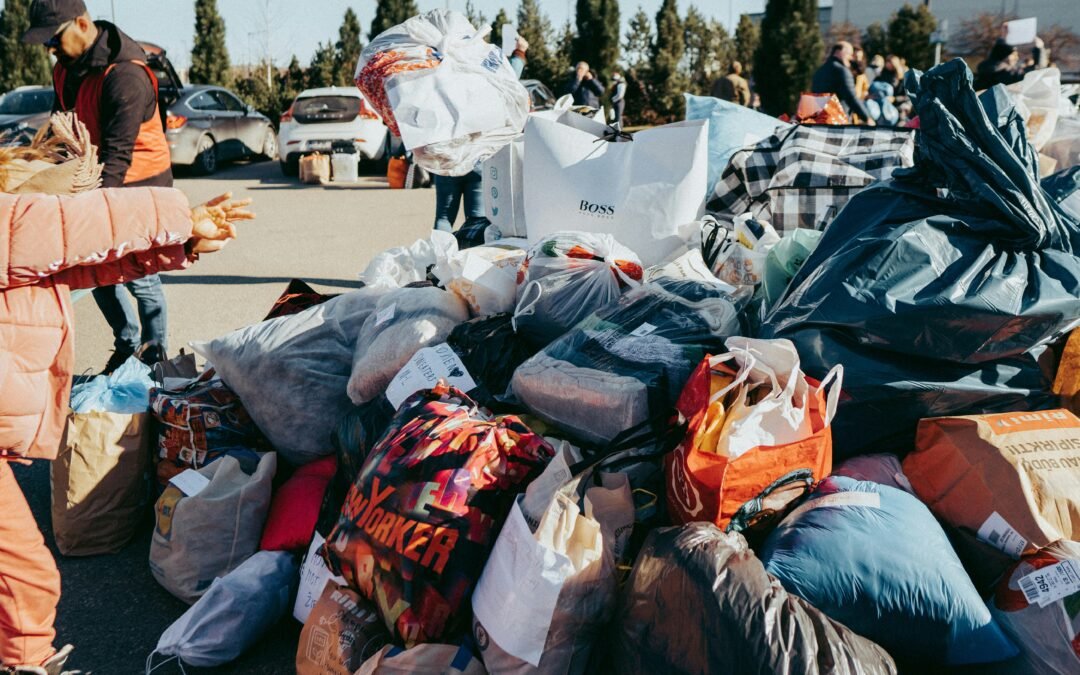
- Joint food drives with local charities
- Educational workshops
- Health awareness campaigns
- Disaster relief fundraising efforts
These partnerships help build stronger relationships across communities while increasing available resources for families in need.
Challenges volunteers often face
While community volunteer work is rewarding, it also comes with challenges.
Common obstacles include:
- Limited funding and resources
- Balancing volunteer work with full-time jobs
- Language barriers in organizing efforts
- Reaching families who may hesitate to ask for help
Despite these difficulties, many volunteers continue because they see firsthand how much their efforts matter.
The lasting impact on families and neighborhoods
The benefits of volunteer support extend far beyond immediate assistance. Families who receive help often become volunteers themselves later, creating a cycle of community care.
Positive long term effects include:
- Stronger neighborhood relationships
- Better support systems for immigrants
- Increased cultural understanding
- Greater emotional resilience during hardship
This ongoing cycle is what makes how Chilean-American communities volunteer together to support families in need such a meaningful and lasting example of community strength.
Why these efforts matter more than ever today
Economic uncertainty, rising living costs, and social isolation have made local support systems increasingly important. Community driven volunteer efforts often reach families faster and more personally than large institutions can.
In many ways, these grassroots efforts help preserve something essential: the feeling that no family has to face hardship completely alone.
Conclusion: Small acts of support create stronger communities
Volunteer work is not always loud or highly visible, but its impact can be life changing. Chilean-American communities continue to show how cultural connection, generosity, and teamwork can help families navigate difficult moments with dignity and support.
Understanding how Chilean-American communities volunteer together to support families in need reminds us that community strength often begins with simple acts of kindness repeated consistently over time.
Whether through food drives, mentorship, fundraising events, or emotional support, these efforts build stronger families and more connected neighborhoods for everyone involved.