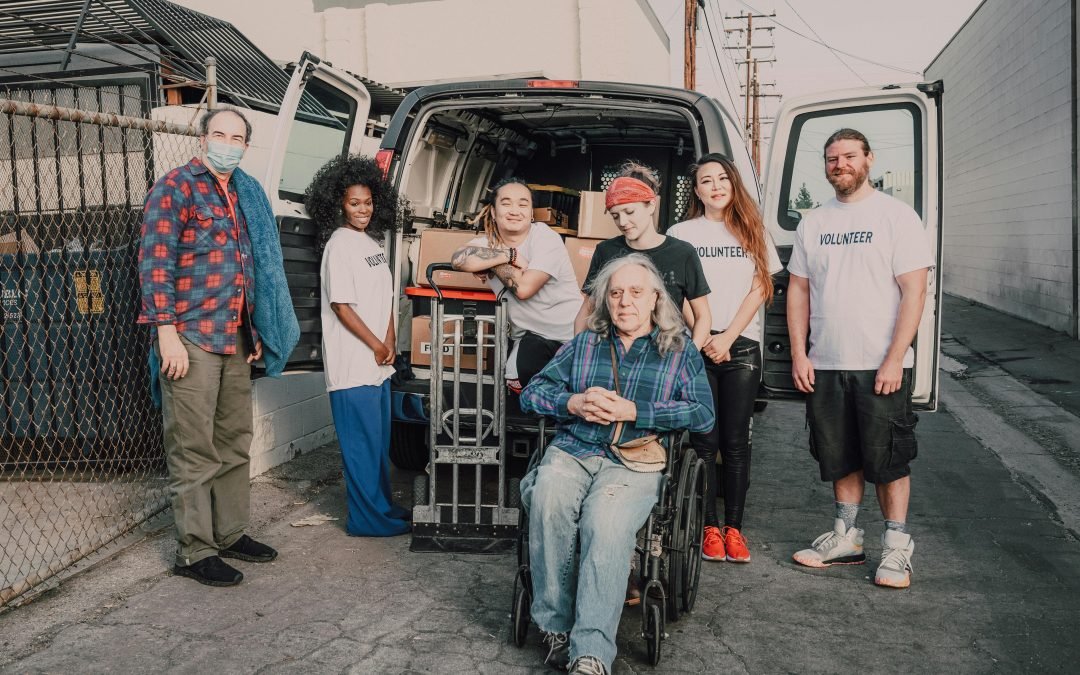
Community aid projects are vital initiatives that bring people together to support those in need and improve local neighborhoods. From food drives and educational programs to environmental cleanups and health campaigns, these projects foster connection, resilience, and hope. Participating in or supporting community aid projects creates meaningful change while strengthening the social fabric of your area.
According to the National Conference on Citizenship, communities with high volunteer engagement see a 20 percent higher level of trust among residents, demonstrating the transformative power of collective action.
Why Community Aid Projects Matter
Community aid projects serve multiple purposes beyond immediate assistance. Key benefits include:
- Providing essential resources such as food, clothing, and shelter
- Supporting education, health, and social services for vulnerable populations
- Strengthening community bonds through collaboration and volunteerism
- Encouraging civic responsibility and social awareness
- Promoting sustainable initiatives that benefit the environment and future generations
By participating in these projects, individuals and organizations contribute to a stronger, healthier, and more resilient community.
Types of Community Aid Projects
There is a wide variety of community aid projects tailored to different needs and goals. Examples include:
- Food and Clothing Drives: Collecting and distributing essentials to families in need
- Educational Programs: Tutoring, literacy initiatives, and after school support
- Health and Wellness Initiatives: Vaccination campaigns, health screenings, and wellness workshops
- Environmental Projects: Community gardens, tree planting, and local cleanups
- Support for Vulnerable Groups: Elder care programs, assistance for individuals experiencing homelessness, and youth mentoring
Each project has a tangible impact on individuals’ lives while fostering a sense of community pride.
How to Get Involved
Getting involved in community aid projects can be simple and rewarding. Steps to participate include:
- Identifying local organizations or initiatives that align with your interests
- Volunteering time, skills, or resources to support specific programs
- Organizing or promoting community drives and events
- Collaborating with neighbors, schools, or businesses for larger impact
- Sharing success stories to inspire others to participate
Even small contributions, when combined with collective effort, create meaningful change.
Benefits of Participation
Engaging in community aid projects provides numerous personal and social benefits, such as:
- Building social connections and friendships
- Developing new skills and leadership experience
- Enhancing mental health through purposeful activity
- Strengthening empathy and understanding of community needs
- Contributing to long lasting improvements in local neighborhoods
These benefits demonstrate that community aid projects are not just about helping others—they also enrich the lives of participants.
Challenges and Solutions
While community aid projects are impactful, they can face challenges such as limited resources, volunteer fatigue, or logistical barriers. Solutions include:
- Partnering with multiple organizations to pool resources
- Establishing clear roles and schedules for volunteers
- Utilizing technology for planning, fundraising, and communication
- Encouraging ongoing participation through recognition and feedback
- Prioritizing sustainability to ensure long term impact
Addressing these challenges ensures that community aid projects continue to make a meaningful difference.
Inspiring Examples
Many community aid projects have set inspiring examples of collective effort and positive change:
- Urban gardening programs in major cities have increased access to fresh produce while fostering environmental awareness
- Literacy campaigns have helped thousands of children and adults improve reading skills, opening doors to education and opportunity
- Health outreach initiatives have provided vaccines, screenings, and wellness support to underserved populations, improving overall community health
These examples highlight the transformative power of organized, well executed community aid projects.
A Practical Takeaway
Community aid projects are essential tools for fostering resilience, compassion, and social cohesion. By participating, volunteering, or supporting initiatives, individuals can help improve the lives of others while creating stronger, more connected communities. Each small action contributes to a larger impact, demonstrating that collective effort can lead to meaningful change.