Have you ever opened your fridge, found some extra food, and thought, someone could really use this? You’re not alone. Every year, millions of people struggle with food insecurity, yet tons of perfectly good food goes to waste. That’s where food donation programs step in, bridging the gap between surplus and need. And the best part? You can easily get involved.
Why Food Donation Programs Matter
Let’s start with a striking fact: according to the Food and Agriculture Organization (FAO), about one-third of all food produced globally is wasted, while nearly 828 million people go hungry every day. It’s a heartbreaking contrast—but also a powerful reminder that small actions, like supporting food donation programs, can have a massive impact.
These programs collect surplus food from restaurants, grocery stores, farms, and even individual households, and then distribute it to food banks, shelters, and families who need it most. They not only tackle hunger but also reduce food waste, which contributes to climate change. It’s truly a win-win.
How Food Donation Programs Work
You might be wondering, How does food make it from a store shelf or kitchen to someone’s table? It’s actually a well-organized process:
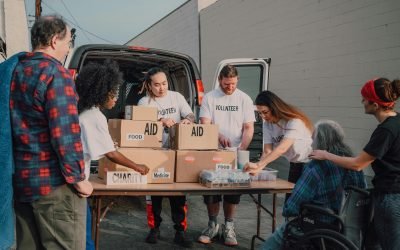
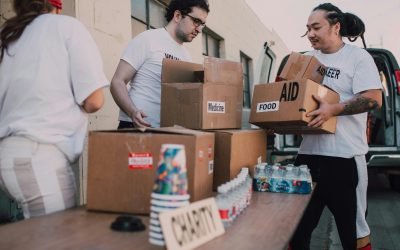
- Collection: Volunteers or program staff pick up excess food that’s safe to eat but can’t be sold.
- Sorting and Inspection: Food is inspected to make sure it’s still good. Expiration dates are checked, and any damaged items are discarded.
- Distribution: The food is delivered to local food banks, pantries, shelters, or even directly to families.
Many food donation programs also work closely with local governments and nonprofits to ensure the food reaches communities most in need.
Ways You Can Support Food Donation Programs
If you’re feeling inspired, there are so many ways you can jump in and make a difference.
1. Donate Surplus Food
Have an extra can of beans, unopened cereal boxes, or fruits that won’t be eaten in time? Many programs accept donations from individuals. Check what items are needed most—nonperishables are usually safe bets.
2. Volunteer Your Time
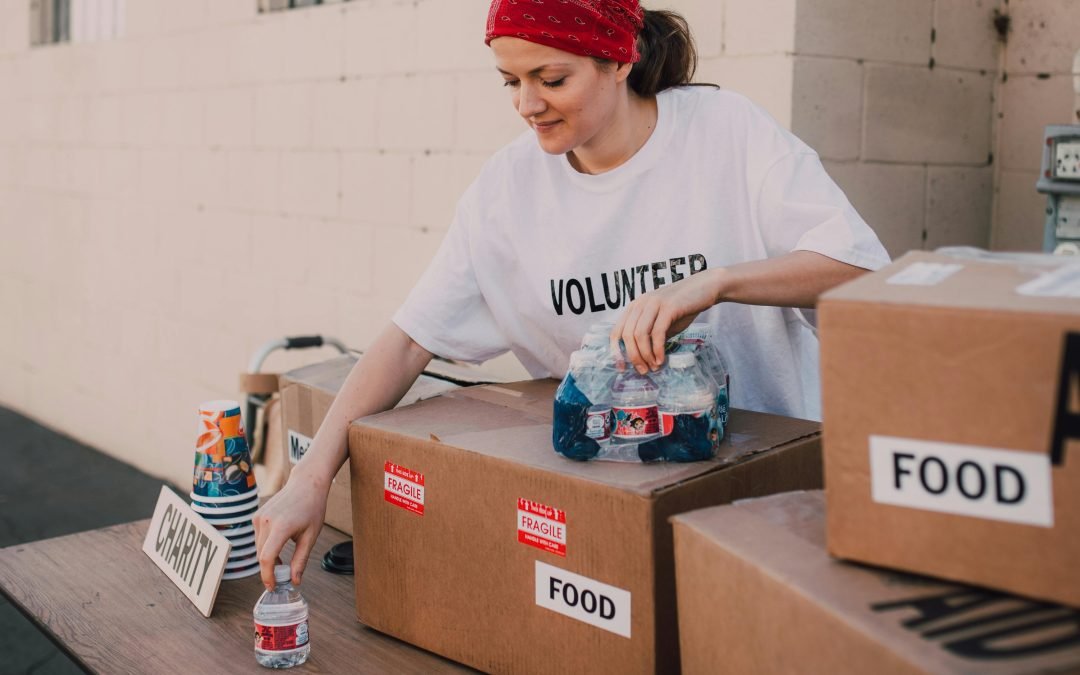
Food donation programs often run on tight budgets and rely heavily on volunteers. Helping out could mean sorting food, making deliveries, or even helping with administrative work.
3. Spread the Word
Sometimes, raising awareness is just as powerful as donating. Share your local food donation program’s mission with your friends, family, or on social media.
4. Start a Food Drive
Organize a food drive at your school, workplace, or community center. It’s easier than you think, and it can yield a lot of support in a short amount of time.
What Kind of Foods Are Best for Donation?
Not everything in your pantry or fridge can be donated, but there’s a wide range of safe and helpful options:
- Canned vegetables, fruits, and beans
- Pasta, rice, and grains
- Shelf-stable milk and dairy alternatives
- Peanut butter and nut butters
- Baby formula and baby food
- Healthy snacks like granola bars
- Fresh produce (in some cases, if quickly distributed)
Always check with your local program for their specific guidelines. Some are even equipped to handle prepared foods from restaurants and caterers under proper food safety regulations.
How Food Donation Programs Help the Planet
Here’s something you might not have considered: reducing food waste isn’t just about feeding people—it’s also about protecting the environment. When food rots in landfills, it releases methane, a potent greenhouse gas. According to the Environmental Protection Agency (EPA), food waste is responsible for about 8–10% of global greenhouse gas emissions.
By participating in food donation programs, you’re helping to reduce this impact. Less food waste means fewer emissions, a healthier planet, and a brighter future for everyone.
A Few Inspiring Examples
Programs like Feeding America, Food Rescue US, and Meals on Wheels are just a few examples of how food donations change lives. Local programs often have just as much impact—you might be surprised how many are already working hard in your own community.
One heartwarming story comes from a small town where a community-led food rescue program saved thousands of pounds of fresh produce that would have gone to waste, turning it into meals for struggling families. Small actions really can lead to big changes.
Final Thoughts: Every Little Bit Counts
Supporting food donation programs isn’t about grand gestures or huge commitments. Even small actions—like donating a few cans or volunteering a couple of hours a month—can have a ripple effect that touches many lives.
In a world where millions go hungry while good food is discarded daily, choosing to help even in simple ways makes you part of the solution. So next time you clean out your pantry or see a call for volunteers, remember: your small effort could be someone’s big relief.
Let’s all pitch in and turn what might have been wasted into something wonderful.