Imagine trying to focus in school with an empty stomach. For millions of children around the world, that’s an everyday reality. That’s where nutrition programs come in—offering more than just a meal. The impact of nutrition programs reaches far beyond hunger. It improves health, boosts learning, and strengthens entire communities.
Whether it’s a free school lunch, a rural food delivery, or a supplemental nutrition initiative, these programs serve as lifelines in places where food insecurity is common.
In this article, we’ll break down the true value of nutrition programs—and why they’re one of the most effective tools in fighting poverty and inequality.
Why Nutrition Programs Matter
Malnutrition affects both the body and the brain. According to the World Health Organization, undernutrition contributes to nearly 45% of deaths among children under five. Even for those who survive, poor nutrition early in life can lead to stunted growth, reduced immunity, and difficulty concentrating in school.
But with consistent access to nourishing meals, children experience:
- Better physical development
- Improved attendance and participation in school
- Enhanced memory and problem-solving skills
- Lower risk of anemia and other deficiencies
In short, the impact of nutrition programs is both immediate and long-term.
How Nutrition Programs Support Learning
Let’s look at the classroom. When children are well-fed:
- They arrive on time
- They stay alert longer
- They engage more actively
- They perform better on tests
A study by the Journal of Development Economics found that students who received school meals scored significantly higher in math and reading than their peers who didn’t.
In Chile and similar nations, breakfast and lunch programs often double as academic support. Meals offer consistency. For children in low-income households, that structure can be the difference between success and struggle.
Real-Life Example: Rural Chilean Communities
In underserved parts of Chile, where economic hardship is widespread, nutrition programs run by nonprofits and schools provide essential support.
Children who once skipped breakfast now start their day with a warm, balanced meal. Parents are relieved from the burden of affording daily lunches. And teachers report better classroom energy and fewer behavioral issues.
Some of the most successful programs in these regions include:
- In-school meal distribution, offering two meals daily
- Take-home rations for weekends and holidays
- Community kitchens that serve both children and seniors
- Nutrition education, so families learn how to cook healthier at home
These models show that the impact of nutrition programs goes beyond calories—it builds stronger futures.
More Than Food: The Ripple Effect
When children are nourished, families and communities benefit, too.
Here’s how:
- Parents can work more hours, knowing their children are safe and fed
- Local farmers and suppliers gain income, as many programs buy food locally
- Girls are more likely to stay in school, especially in rural areas where food may be a bigger draw than academics
- Healthcare costs are reduced, thanks to fewer nutrition-related illnesses
Simply put, nutrition programs can disrupt cycles of poverty. They’re not charity—they’re strategic investments.
Key Elements of a Successful Nutrition Program
Not all programs are created equal. The most impactful ones usually include:
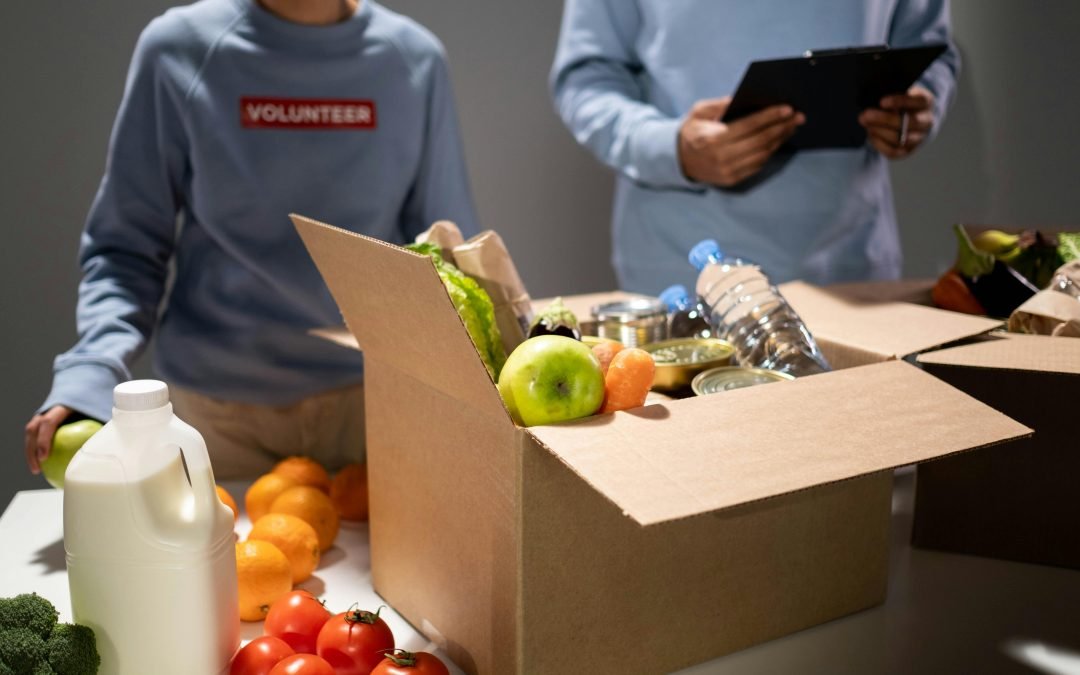
- Balanced meals, with protein, fiber, and essential vitamins
- Community involvement, including parents, teachers, and local leaders
- Consistent delivery, even during school closures or crises
- Cultural relevance, offering meals children recognize and enjoy
- Monitoring and evaluation, to improve outcomes over time
The more holistic the approach, the stronger the impact of nutrition programs.
What Can You Do to Help?
Whether you’re an individual, a school, or a business, there are several ways to support nutrition initiatives:
- Donate to local or international charities that run feeding programs
- Sponsor a child in a high-need area through a trusted nonprofit
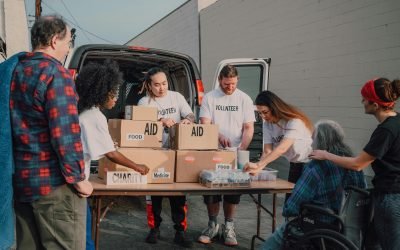
- Volunteer with organizations that prepare or distribute food
- Advocate for stronger school meal policies in your region
- Share awareness through social media, blogs, or community events
Every action—big or small—helps feed potential.
Final Thoughts: A Meal Is Just the Beginning
When we talk about the impact of nutrition programs, we’re really talking about opportunity. A single meal can spark focus, hope, and growth. Over time, those meals build stronger minds, healthier bodies, and more resilient communities.
As the old saying goes: you can’t teach a hungry child. But feed them—and they can learn, lead, and lift others along the way.
If you’re looking for a cause that makes a measurable difference, nutrition programs deserve a spot at the top of your list.