Volunteering might seem like a small act—an hour here, a weekend there—but what is its impact? Huge. When people pitch in to help their neighbors, local schools, shelters, or nonprofit organizations, they do more than complete a task. They strengthen the very fabric of their community.
You don’t need to start a foundation or donate thousands of dollars to make a real difference. Sometimes, showing up is what counts most. So let’s talk about why volunteering is good for the community and why your contribution—no matter how big or small—matters more than you might think.
It Builds Connections and Strengthens Trust
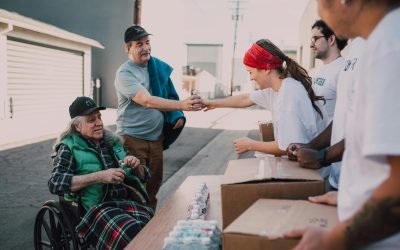
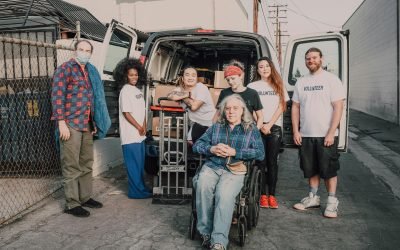
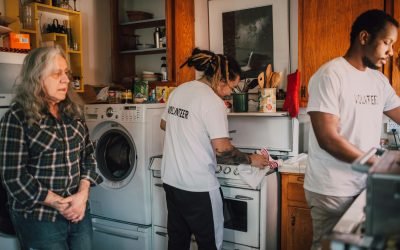
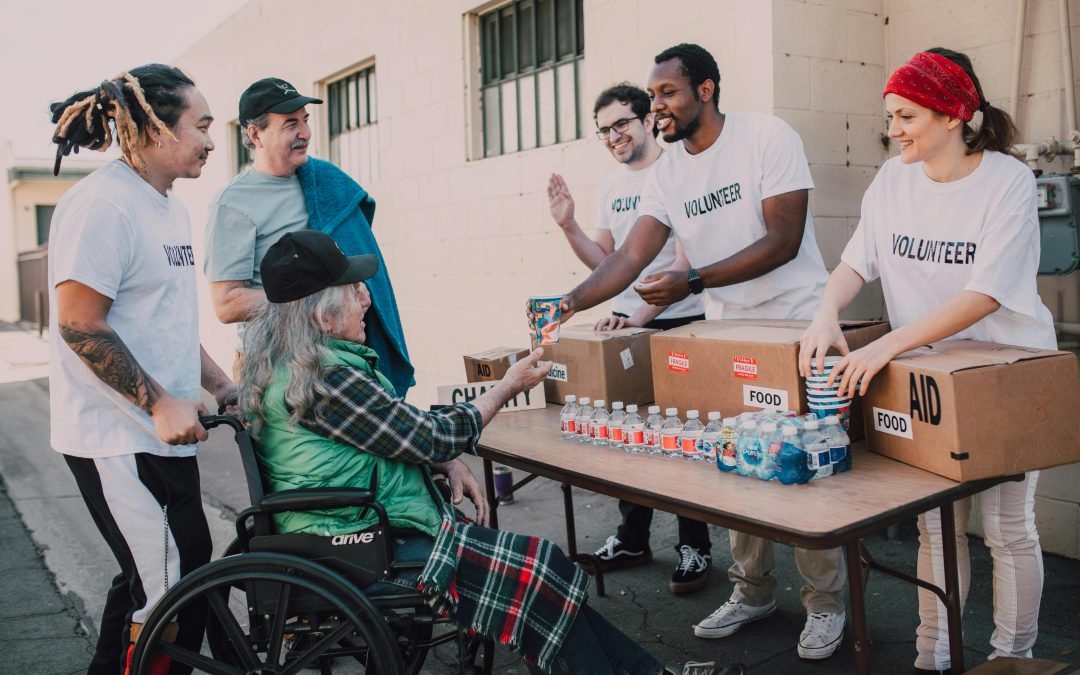
Communities thrive when people know and support one another. Volunteering naturally brings people together, often from different backgrounds, ages, and walks of life. Whether you’re cleaning up a park or serving food at a shelter, you’re connecting with others who care.
In fact, a study by the Corporation for National and Community Service found that people who volunteer are more likely to feel connected to their neighborhoods and develop stronger social bonds. It’s not just about the task—it’s about the togetherness.
It Fills Gaps Where Help Is Needed Most
Let’s face it—many essential services wouldn’t function without volunteers. Think about food banks, animal rescue, literacy programs, or disaster relief efforts. These organizations often rely heavily on unpaid help to serve their communities.
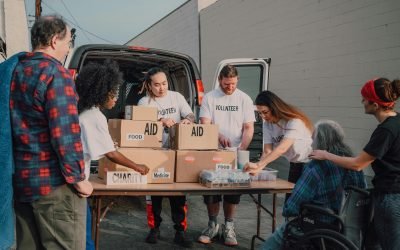
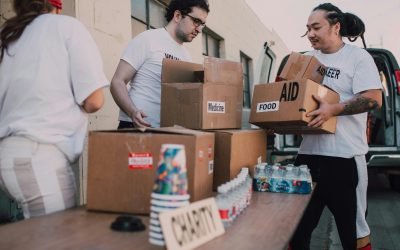
By volunteering, you help fill those gaps. You become the extra hands needed to pack supplies, the listening ear at a helpline, or the creative mind behind a local fundraiser. Without volunteers, many critical programs simply couldn’t keep up.
It Sets an Example and Inspires Others
Volunteering is contagious—in the best way. When people see others taking initiative, giving time, and caring about causes, they’re often inspired to get involved, too. Children who see their parents volunteer are more likely to do so themselves. Friends invite friends. Workplaces start group initiatives.
By showing up, you’re not just helping the community—you’re setting a tone of kindness, leadership, and civic responsibility.
It Boosts Local Pride and Beautifies Spaces
It’s easy to overlook the small things: a clean sidewalk, a repainted community center, a planted tree. But these are the things that make neighborhoods feel cared for and welcoming.
Volunteering often means improving shared spaces, and when people work together to care for their environment, it builds pride and ownership. You’re not just fixing something—you’re investing in where you live.
It Has Health Benefits (Yes, Really)
Here’s something surprising: volunteering is also good for you. According to the Mayo Clinic, people who volunteer regularly report lower stress levels, improved mood, and even better physical health. Helping others boosts happiness chemicals like dopamine and oxytocin—it’s literally good for your heart.
And when individuals feel good, they’re more likely to keep giving back. It’s a cycle of positivity that benefits everyone.
Ways Volunteering Helps Your Community Thrive
Let’s sum it up with a few clear ways volunteering makes an impact:
- Supports local nonprofits and services that can’t run on funding alone
- Provides access to education, food, healthcare, and safety to those in need
- Builds stronger relationships between residents, reducing isolation and mistrust
- Improves community spaces, making neighborhoods more livable and enjoyable
- Empowering individuals by giving them purpose and a sense of belonging
And perhaps most importantly—it proves that change doesn’t have to start big. It just has to start.
You Don’t Have to Do Everything—Just Something
One of the biggest misconceptions about volunteering is that you need to commit loads of time or have a specific skill set. Not true. Some of the most valuable contributions come from people who simply show up with an open heart and a willingness to help.
You could:
- Help organize a local clothing drive
- Volunteer at a library or community event
- Mentor a student or offer tutoring
- Walk dogs at the local shelter
- Plant flowers at a public park
There’s no wrong way to give back—only your way.
Final Thoughts: Community Starts with You
At the end of the day, why volunteering is good for the community comes down to this: when people care enough to act, things change. Lives are touched. Spaces are improved. Hearts are lifted.
Whether you can offer an hour a week or just a weekend every now and then, your presence makes a difference. So go ahead—find a cause that speaks to you, grab a friend, and take the first step.
Your community is better with you in it.