When disaster strikes, whether it’s a hurricane, earthquake, wildfire, or flood, emergency relief efforts are what make the difference between chaos and recovery. These coordinated actions provide immediate help to those affected, aiming to save lives, reduce suffering, and restore normalcy as fast as possible. So, how exactly do emergency relief efforts work, and why are they so important? Let’s dive in and explore this crucial topic.
What Are Emergency Relief Efforts?
Emergency relief efforts refer to the rapid response actions taken by governments, non-profits, volunteers, and communities to address urgent needs during and after disasters. This includes providing food, water, medical care, shelter, and psychological support to affected individuals.
According to the United Nations Office for the Coordination of Humanitarian Affairs (OCHA), “Effective emergency relief efforts can save thousands of lives and protect vulnerable populations during crises.”
Key Components of Emergency Relief Efforts
Emergency relief is a complex operation involving multiple moving parts. Here are some core components:
Rapid Assessment
Right after a disaster, responders quickly assess the situation. This includes understanding the scale of damage, identifying who needs help, and what type of aid is most urgent.
Immediate Aid Delivery
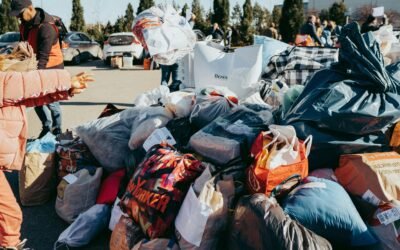
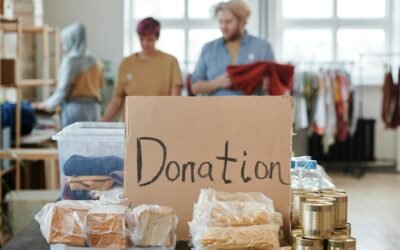
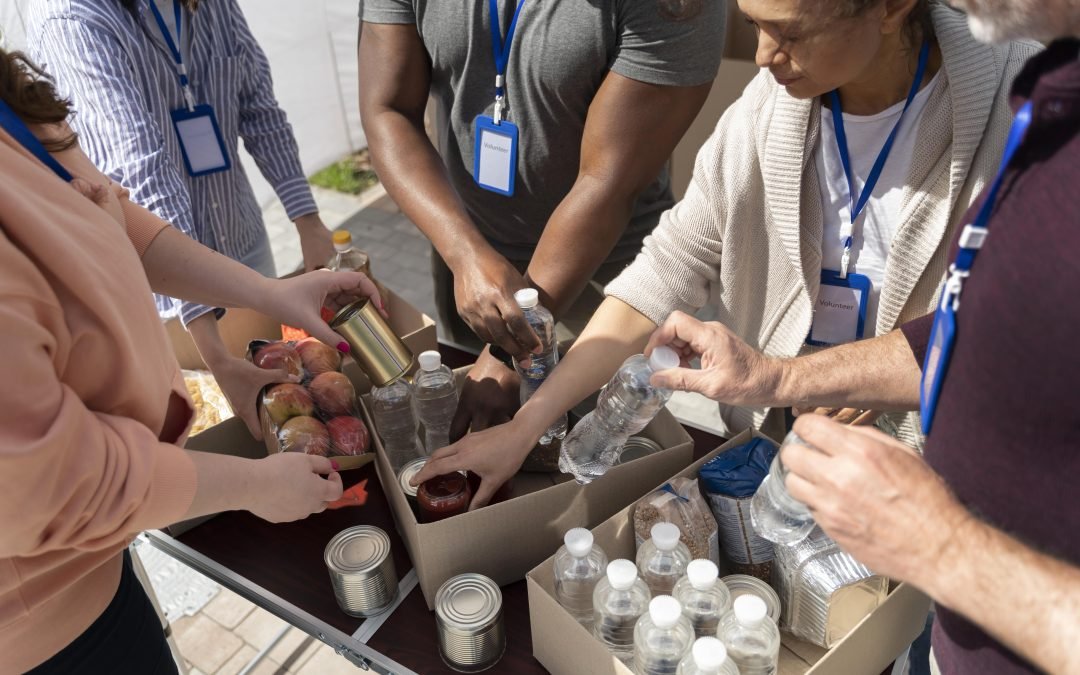
This involves distributing essentials like clean water, food, clothing, and medical supplies. For example, after the 2020 wildfires in California, relief organizations swiftly set up distribution centers to provide emergency kits to displaced families.
Medical Assistance
Providing first aid and medical treatment prevents disease outbreaks and treats injuries. Mobile clinics or field hospitals are often deployed in severely affected areas.
Shelter and Safety
Temporary shelters protect people from harsh weather and provide a safe space. These may range from tents to converted community centers.
Communication and Coordination
Effective communication between agencies and with the public ensures aid is delivered where it’s needed most without duplication or gaps.
How Communities Play a Role
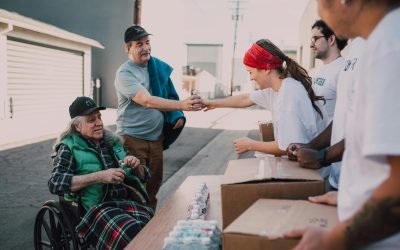
Emergency relief efforts are not only about large organizations stepping in. Local communities and volunteers are often the first responders. Their knowledge of the area and immediate action can save precious time.
Community preparedness programs encourage families to have emergency kits ready and plans in place. This kind of readiness boosts the overall effectiveness of relief efforts.
Real-Life Impact: Emergency Relief in Action
To put this in perspective, during the 2010 earthquake in Haiti, over 10 million people were affected. Emergency relief efforts, coordinated by global and local organizations, provided food, medical aid, and shelter, helping millions survive the immediate aftermath.
In fact, the International Federation of Red Cross and Red Crescent Societies reports that “well-organized emergency relief reduces mortality rates and speeds up community recovery.”
Tips for Supporting Emergency Relief Efforts
Wondering how you can help? Here are a few ways:
- Donate: Financial contributions allow relief agencies to buy supplies and deploy teams quickly.
- Volunteer: Many organizations need hands-on help during and after emergencies.
- Spread Awareness: Sharing verified information helps communities prepare and respond better.
- Prepare Yourself: Having an emergency kit and plan helps you assist others effectively.
Why Timeliness Matters
One key fact to remember is that the first 72 hours after a disaster are critical. According to the World Health Organization, “the likelihood of survival drops dramatically after the first three days without help.”
This urgency is why emergency relief efforts focus heavily on rapid deployment and efficient coordination.
Conclusion: Emergency Relief Efforts Save Lives and Rebuild Hope
In the face of disaster, emergency relief efforts show the best of humanity — collaboration, compassion, and resilience. Whether it’s providing a warm meal, a safe shelter, or medical care, every action counts toward helping affected communities stand back up.
By understanding how emergency relief efforts work and supporting them where possible, we can all contribute to a safer, more prepared world.
Remember, emergencies don’t wait, and neither should our response.